
In today’s fast-paced and increasingly interconnected world, the efficiency of any large-scale operation whether military, governmental, or corporate relies heavily on the strength and reliability of its logistics backbone. One of the most vital components of this infrastructure is Fleet Logistics Support. But what is it exactly, and how can it improve operations across the board?
What is Fleet Logistics Support?
Fleet Logistics Support refers to the comprehensive set of services and systems designed to manage, maintain, and optimize a fleet of vehicles or vessels. It covers everything from routine maintenance, fuel management, asset tracking, and repair schedules to advanced data analytics and operational planning.
This logistical arm is particularly critical in sectors like defense, emergency response, shipping, transportation, and energy—where the timely and efficient movement of assets can determine the success or failure of a mission or operation.
Key Ways Fleet Logistics Support Improves Operations
1. Enhancing Operational Readiness
A well-maintained and strategically deployed fleet is always ready to respond. Fleet Logistics Support ensures that vehicles and vessels are serviced regularly and stocked with necessary equipment, reducing the risk of unexpected breakdowns. This is especially crucial in military and emergency operations where time is of the essence.
2. Reducing Downtime and Maintenance Costs
Predictive maintenance, enabled through telematics and real-time monitoring, allows organizations to anticipate and fix problems before they become costly failures. This proactive approach, a cornerstone of modern Fleet Logistics Support, not only reduces maintenance costs but also extends the lifespan of fleet assets.
3. Streamlining Supply Chain Operations
Fleet logistics support enhances the synchronization between supply chain stages—ensuring materials, parts, and personnel are moved efficiently and on time. This tight integration helps reduce bottlenecks, minimize delays, and maintain consistent workflow.
4. Boosting Cost Efficiency
By centralizing logistics operations and leveraging smart technologies like GPS tracking, route optimization, and fuel usage analysis, companies can significantly cut operating costs. Efficient fuel management, in particular, is a high-impact area—fleet logistics systems can track consumption, optimize routes, and reduce fuel theft or misuse.
5. Improving Asset Visibility and Control
With modern Fleet Logistics Support platforms, organizations gain 24/7 visibility into their fleet's location, condition, and usage. This improves asset control, helps allocate resources more efficiently, and provides managers with data-driven insights for better decision-making.
6. Supporting Sustainability Goals
Green logistics is a rising priority for many industries. Fleet support systems can help monitor emissions, reduce fuel consumption, and suggest eco-friendly routing—all of which contribute to an organization’s broader sustainability objectives.
7. Improved Communication and Coordination
Centralized logistics support facilitates better communication between field operators, drivers, dispatchers, and maintenance crews. This unified approach eliminates redundancies and improves the speed of information flow—critical during complex operations.
Fleet Logistics Support in the Defense Sector
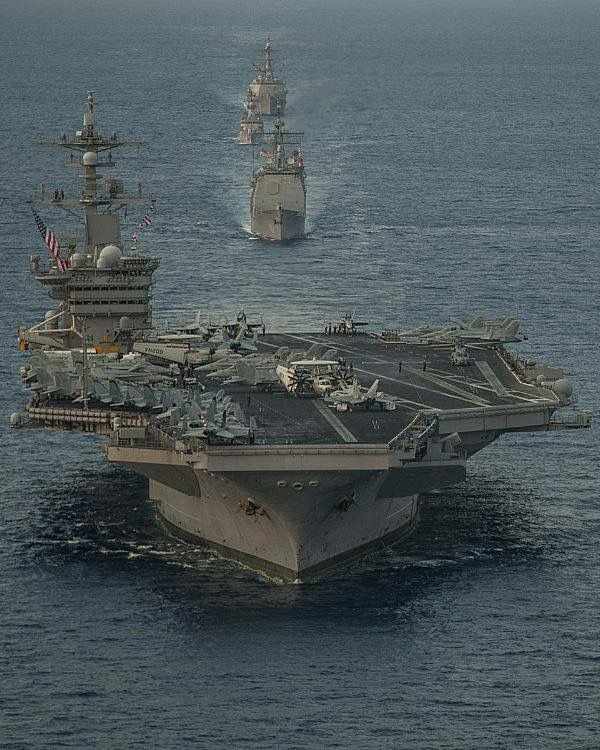
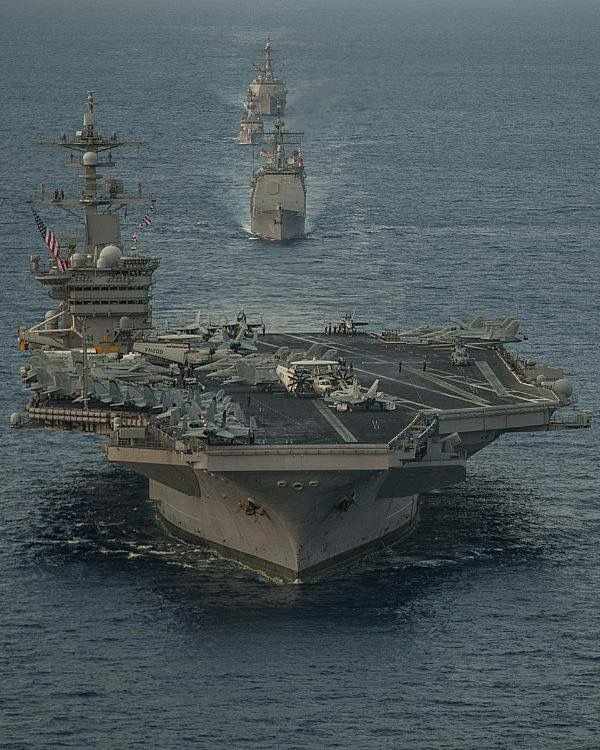
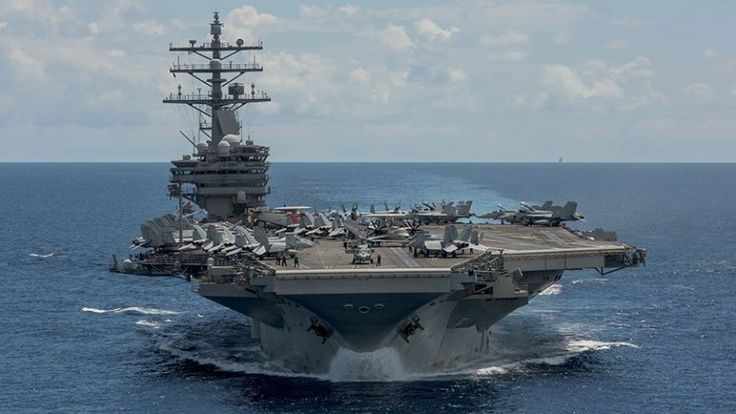
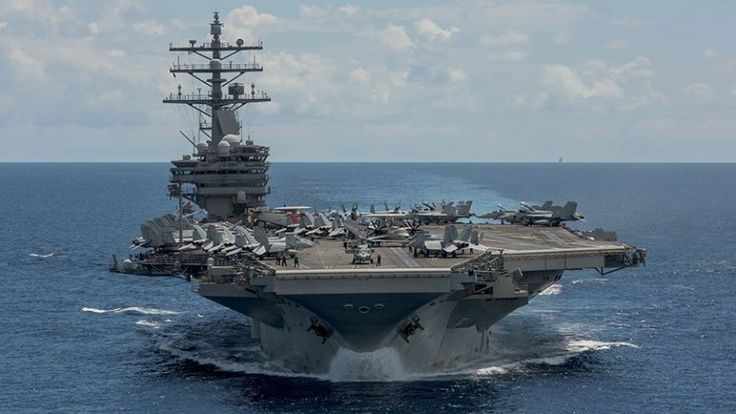
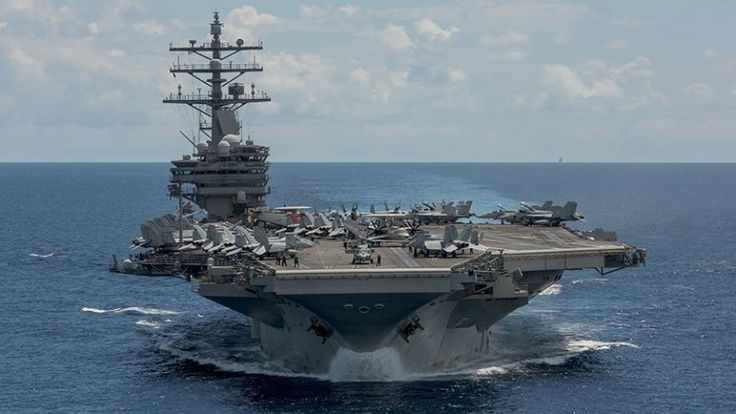
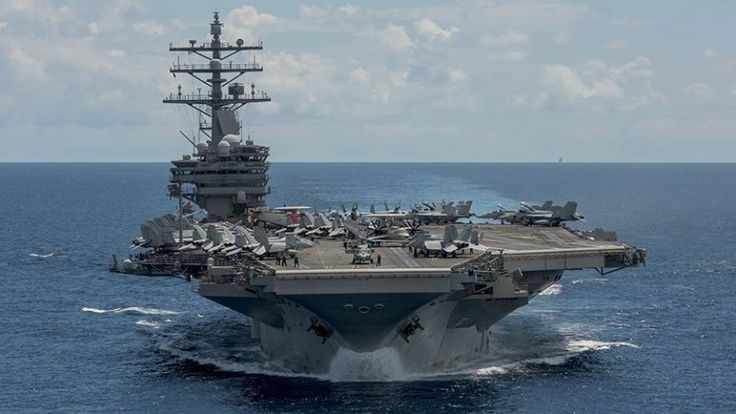
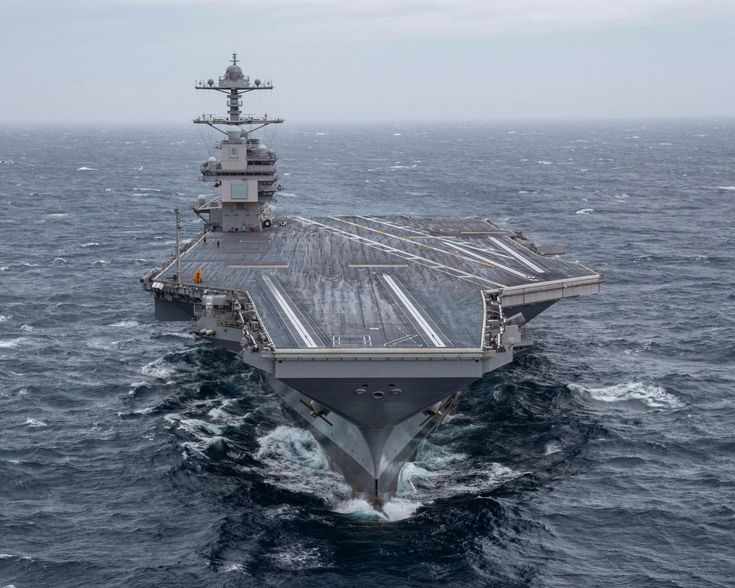
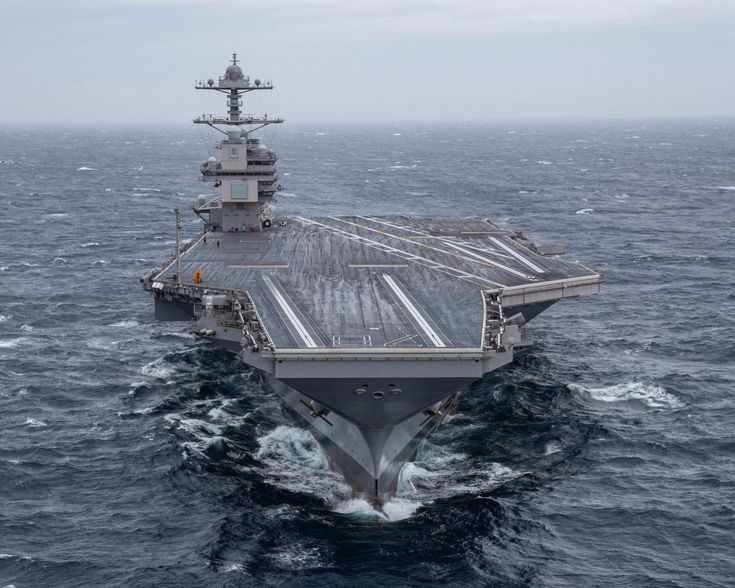
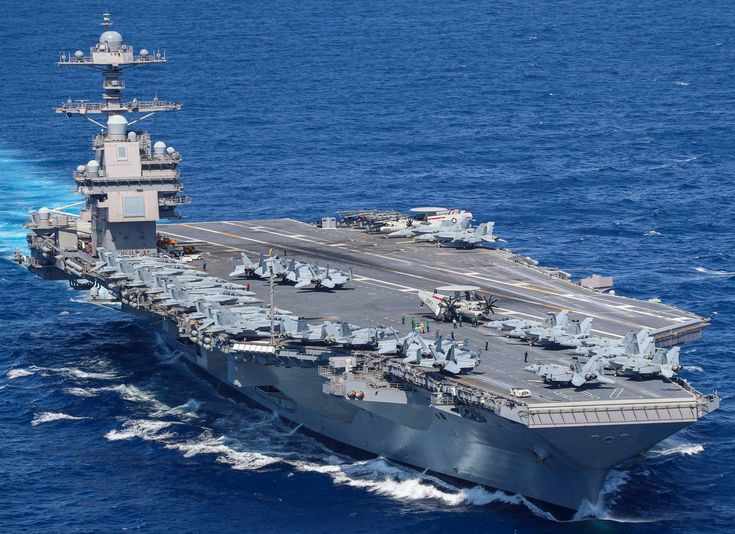
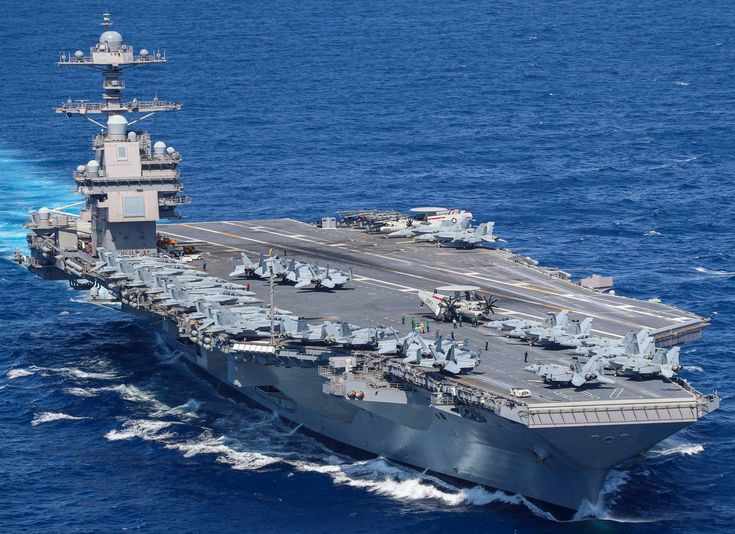
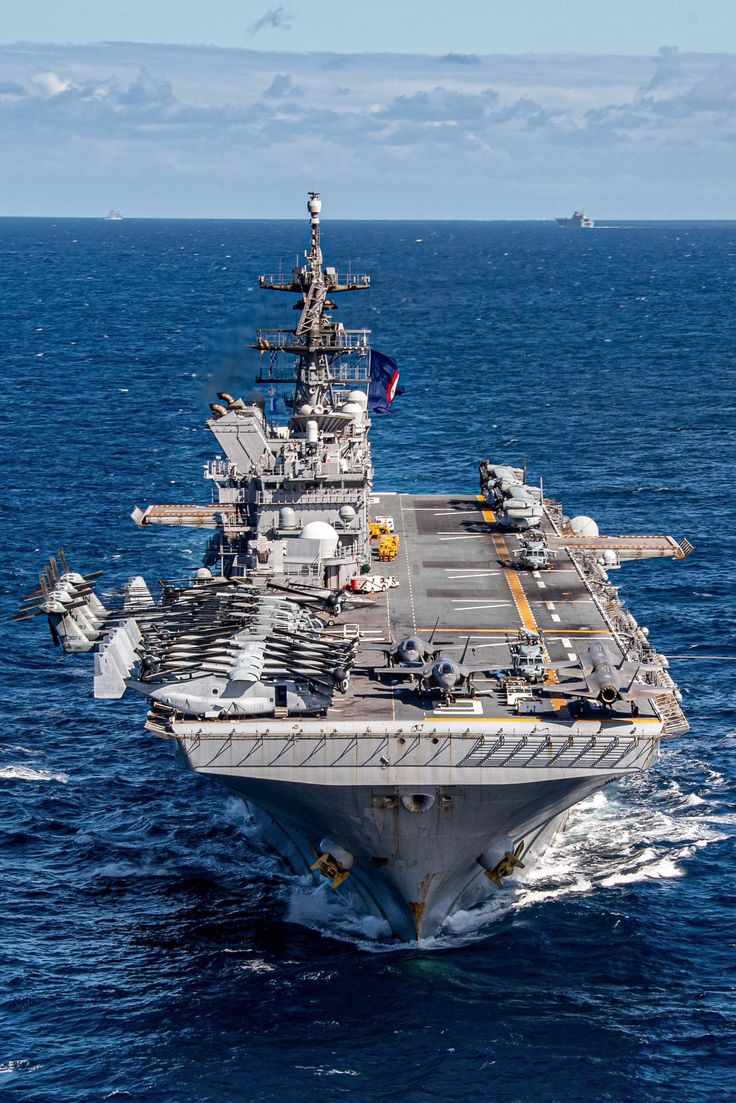
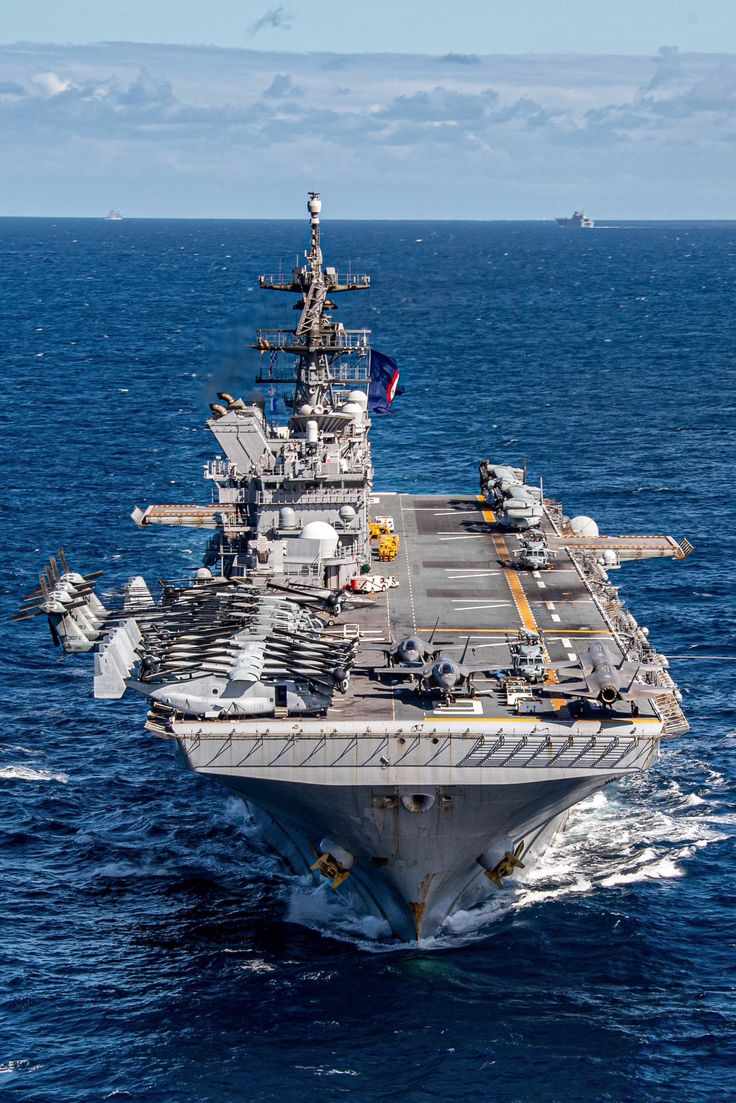
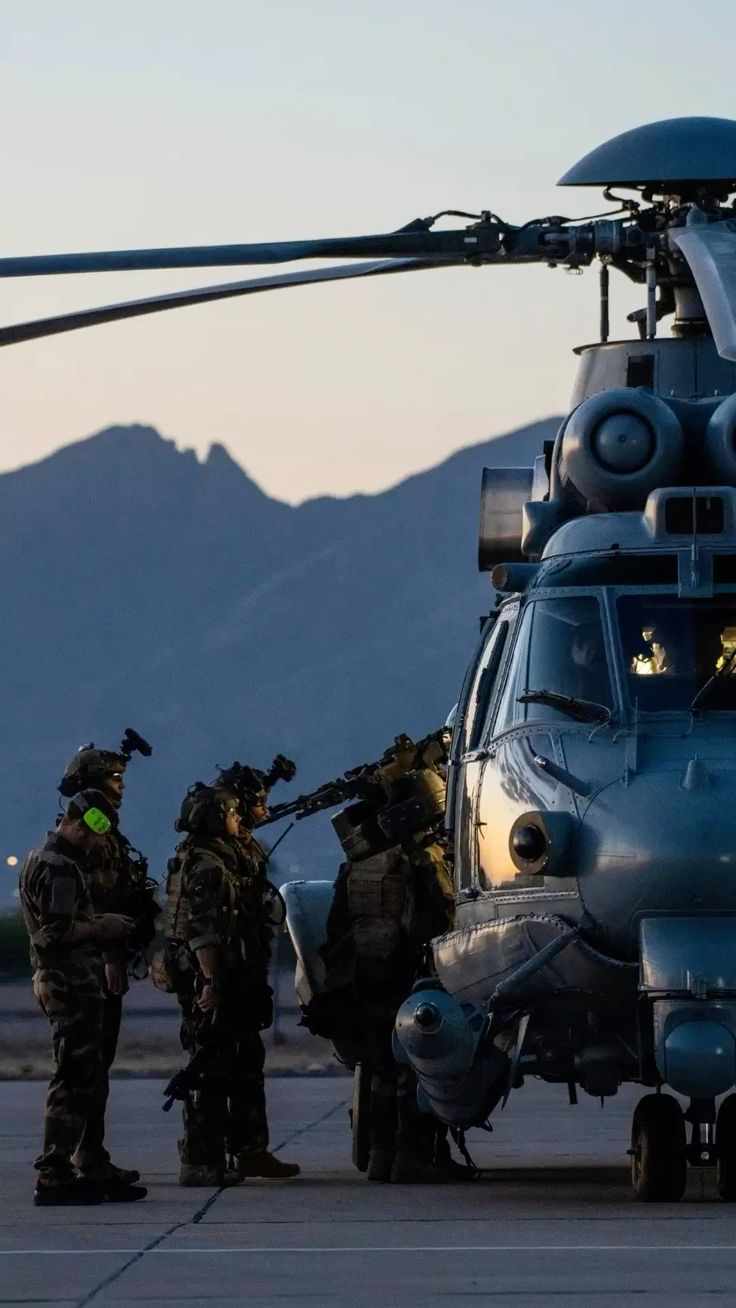
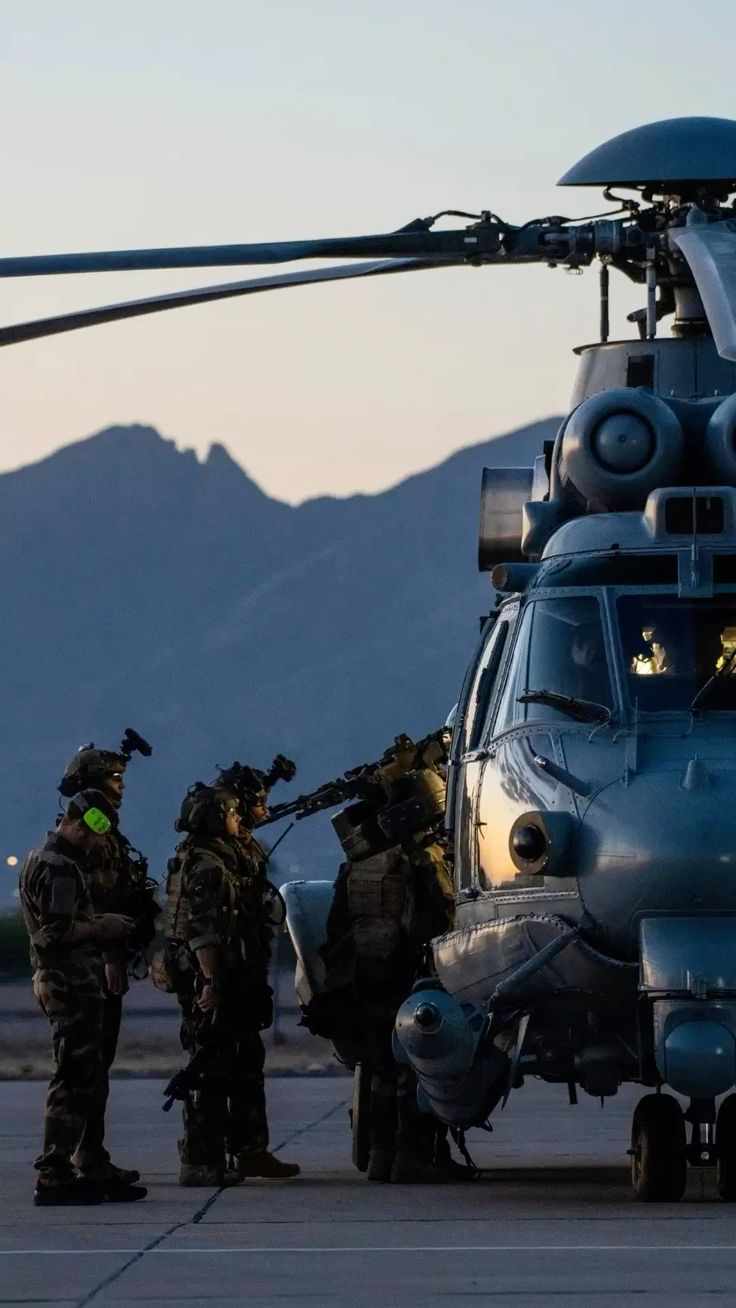
In military environments, Fleet Logistics Support is a mission-critical function. It ensures that vehicles—whether ground-based or naval—are ready for rapid deployment. Logistics units are responsible for supplying fuel, ammunition, parts, and even meals across hostile or remote terrains. When operations depend on precise timing and coordination, robust fleet support can be the difference between success and failure.
Real-World Applications
Transportation and Freight: Logistics support helps transport companies manage driver schedules, vehicle servicing, and route efficiency—all of which impact customer satisfaction and delivery timelines.
Public Sector & Emergency Services: Fleet support ensures ambulances, fire trucks, and police vehicles remain operational and available at all times.
Construction & Mining: Heavy machinery and vehicles require constant upkeep and monitoring, which is enabled by logistics systems tailored to industrial fleet needs.
The Role of Technology in Fleet Logistics
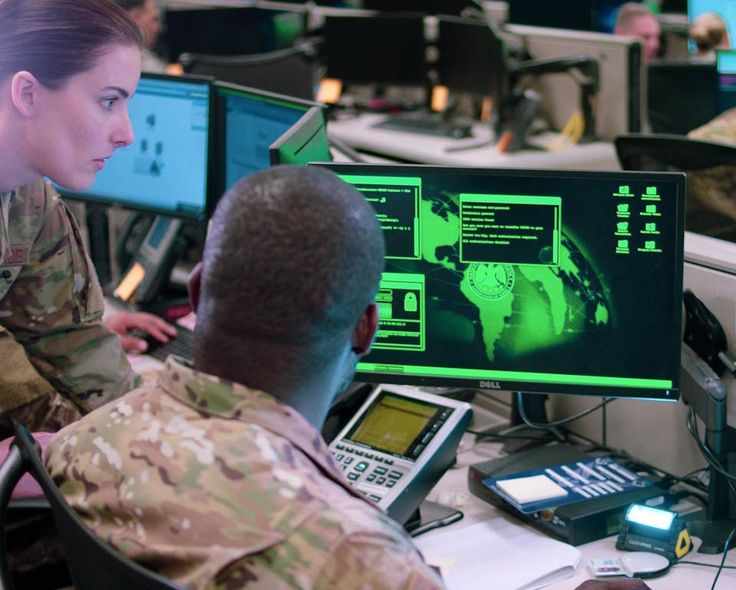
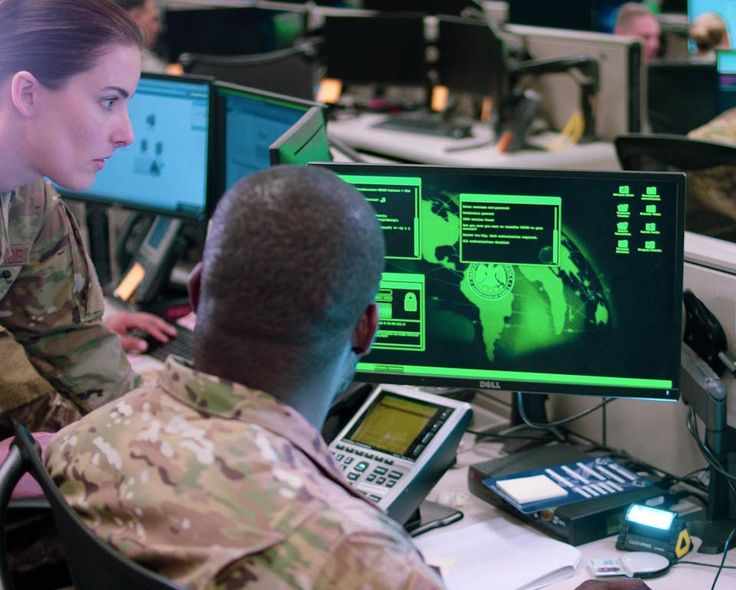
Modern Fleet Logistics Support is powered by technology. AI-powered fleet management software, cloud-based dashboards, IoT sensors, and data analytics tools are transforming how fleets operate. These technologies help identify inefficiencies, automate routine tasks, and generate actionable insights that were previously unavailable.
Moreover, mobile apps allow drivers to report issues instantly, track fuel logs, and receive route updates in real-time—further enhancing communication and control.
Conclusion: Driving Into the Future
Fleet Logistics Support is not just about vehicle maintenance; it’s about strategic operational enhancement. As organizations continue to embrace digital transformation, logistics support will evolve from a backend function to a central pillar of performance and resilience.
With smart planning, integrated systems, and a data-first mindset, fleet logistics can drive a new era of operational excellence—marked by lower costs, higher efficiency, and sustainable growth.


Write a comment ...