
In today’s rapidly shifting geopolitical environment, the US Department of Defense Updates serve as both a window into America’s strategic mindset and a roadmap for its military readiness. Each update is more than a headline—it represents decisions that will influence diplomacy, defense technology, and global security for years to come.
1. Reinforcing Global Alliances
One of the most significant developments in recent months has been the renewed emphasis on military alliances. The Department has strengthened its ties with NATO allies through increased joint exercises, particularly in Eastern Europe, where tensions remain high. Enhanced interoperability—ensuring forces from different nations can work seamlessly together—is at the heart of these efforts.
In the Indo-Pacific region, collaboration with allies such as Japan, Australia, and the Philippines has also expanded, focusing on maritime security and countering emerging threats. These alliances are not just symbolic—they are operational commitments that ensure rapid collective response to any crisis.
2. Advancements in Defense Technology
The US Department of Defense Updates consistently highlight breakthroughs in next-generation military technology. From hypersonic missile systems capable of traveling at speeds exceeding Mach 5 to AI-powered surveillance and decision-making tools, technological innovation is redefining the battlefield.
One notable project is the integration of autonomous systems into both air and sea operations. Unmanned aerial vehicles (UAVs) with enhanced stealth capabilities are being tested for reconnaissance and even precision strike missions, reducing risk to human pilots.
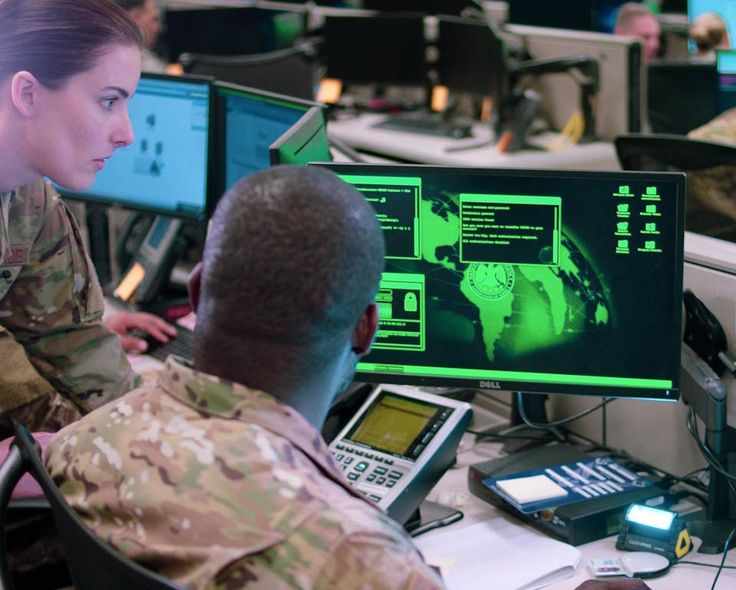
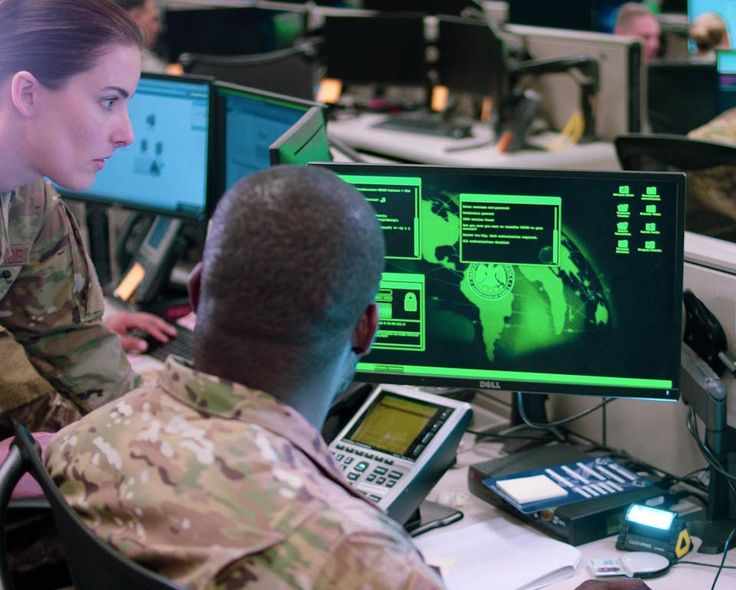
Cybersecurity is also at the forefront, with the Pentagon investing heavily in AI-driven cyber defense systems capable of detecting and neutralizing digital threats in real time. In an era where cyber warfare is as critical as conventional combat, these developments are vital.
3. Modernizing the Force Structure
Military readiness depends on more than technology—it requires an agile and well-equipped force. The Department is implementing modernization programs across all branches, from upgrading the U.S. Navy’s fleet with advanced destroyers and submarines to introducing next-generation combat vehicles for the Army.
The Air Force, meanwhile, is pushing forward with the B-21 Raider stealth bomber program, designed to penetrate the most sophisticated air defenses. The Marine Corps has been restructuring to focus on distributed operations—smaller, more mobile units that can operate independently in contested environments.
4. Focus on Space and Cyber Domains
The creation of the U.S. Space Force marked a historic shift in defense priorities, and the US Department of Defense Updates show that space is now a central operational domain. Recent updates detail new satellite constellations designed for communications, missile warning, and navigation—critical infrastructure for modern warfare.
The cyber domain, meanwhile, has seen the establishment of joint cyber task forces, capable of both defensive and offensive operations. The Pentagon recognizes that deterrence in the 21st century requires dominance in both physical and digital realms.
5. Addressing Global Hotspots
From Eastern Europe to the Middle East, the Department continues to adjust its posture to address evolving threats. Increased troop rotations in Eastern Europe aim to deter aggression, while precision counterterrorism operations in Africa and the Middle East demonstrate America’s global reach.
In the South China Sea, U.S. naval operations reinforce freedom of navigation principles, ensuring that international waterways remain open despite growing regional disputes.
6. Resilience and Sustainability in Defense
Another noteworthy trend in the US Department of Defense Updates is the growing focus on sustainability. The Pentagon is actively seeking to reduce its environmental footprint, from energy-efficient military installations to alternative fuel technologies for its fleets. This approach not only addresses climate change concerns but also enhances operational resilience by reducing dependency on vulnerable supply chains.
7. Supporting Service Members and Families
National defense is not only about hardware and strategy—it’s about people. The Department has announced expanded mental health services, improved housing conditions on bases, and increased educational opportunities for military families. These human-focused initiatives are essential for maintaining morale and readiness across the armed forces.
8. Strategic Outlook for the Future
Looking ahead, the Department of Defense is preparing for a world where conventional warfare blends with hybrid threats—where state and non-state actors employ cyberattacks, disinformation campaigns, and economic pressure alongside traditional military force.
Through its updates, the Department communicates a clear message: adaptability, technological superiority, and strong alliances are the cornerstones of America’s defense strategy in the decades to come.
Conclusion
The US Department of Defense Updates are more than a list of policy changes—they represent an evolving blueprint for national and international security. In a world where threats are increasingly complex and interconnected, these updates provide valuable insight into how the United States plans to maintain stability, deter aggression, and protect its interests both at home and abroad.
As new challenges arise—from the cyber realm to the farthest reaches of space—the Department’s ability to innovate, adapt, and lead will remain essential. For policymakers, analysts, and citizens alike, staying informed about these updates is crucial to understanding the future of global security.

















Write a comment ...