
When the name NCIS is mentioned, many people instantly think of the popular television series that has dominated screens for decades. Characters like Gibbs and McGee have become household names, and their cases full of suspense and intrigue capture millions of viewers worldwide. But beyond the Hollywood scripts, there exists the real NCISThe Naval Criminal Investigative Service, a federal law enforcement agency charged with investigating crimes, countering espionage, and protecting the U.S. Navy and Marine Corps.
This is where fact meets fiction. The true stories from Inside NCIS Real Naval Investigations are often even more gripping than the dramatized episodes. While the TV version brings entertainment, the real NCIS is on the frontlines of national security every single day.
The Mission of NCIS
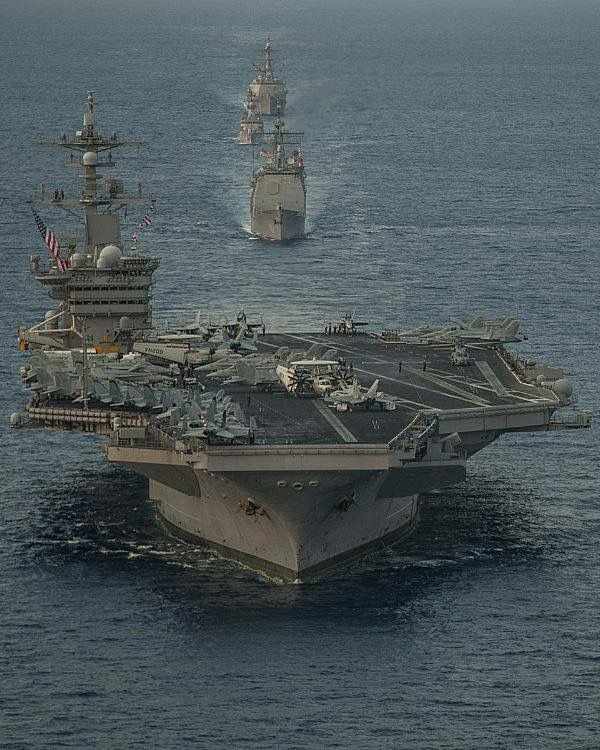
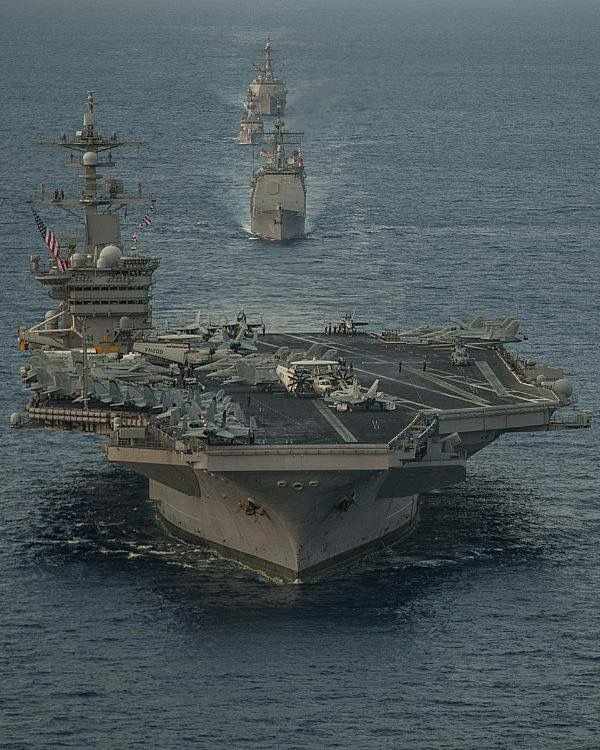
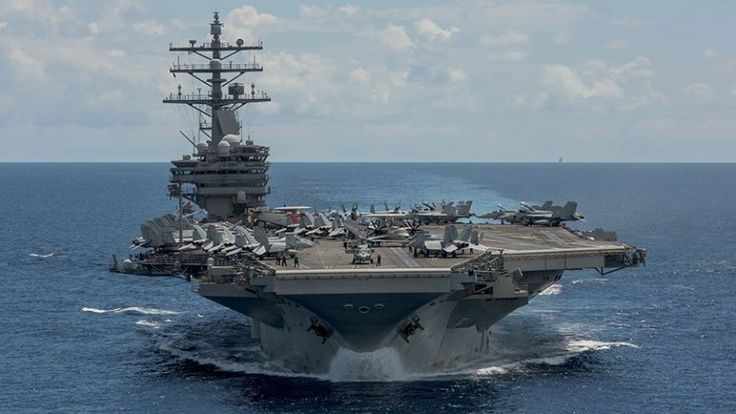
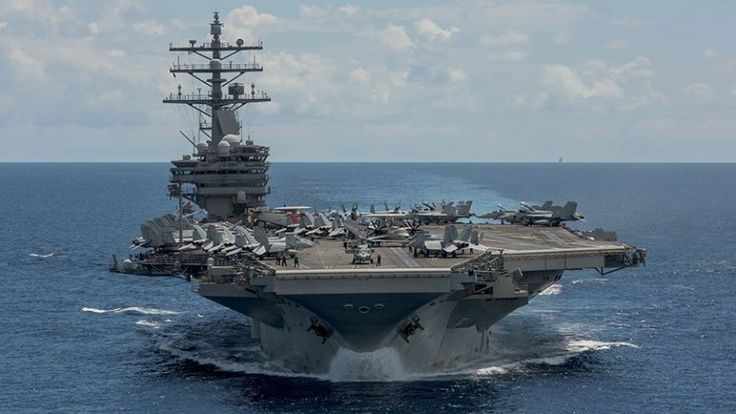
NCIS operates globally with a straightforward but critical mission: protecting and serving the men and women of the Navy and Marine Corps. Its reach extends far beyond the United States, with more than 40 field offices and over 200 locations worldwide. Unlike traditional military police, NCIS is a civilian-run agency with federal authority, giving it the unique ability to investigate not only crimes within the ranks but also threats from outside adversaries.
Their responsibilities can be grouped into three primary areas:
Criminal Investigations – From homicide and sexual assault to fraud and cybercrime, NCIS handles the most serious offenses that impact sailors, Marines, and their families.
Counterterrorism and Counterintelligence – Preventing foreign espionage and terrorist attacks against U.S. forces is at the core of their work.
Protective Services – Safeguarding high-ranking officials, naval vessels, and global operations from threats.
Cases That Define NCIS Work
Some of the most fascinating aspects of Inside NCIS Real Naval Investigations are the real-life cases that mirror or even surpass the drama of television. For instance:
Espionage Busts: NCIS has been instrumental in uncovering spies within the Navy ranks who attempted to sell classified information to foreign governments.
High-Stakes Terrorist Plots: After the USS Cole bombing in 2000, NCIS played a vital role in investigating and preventing future terrorist threats against naval assets worldwide.
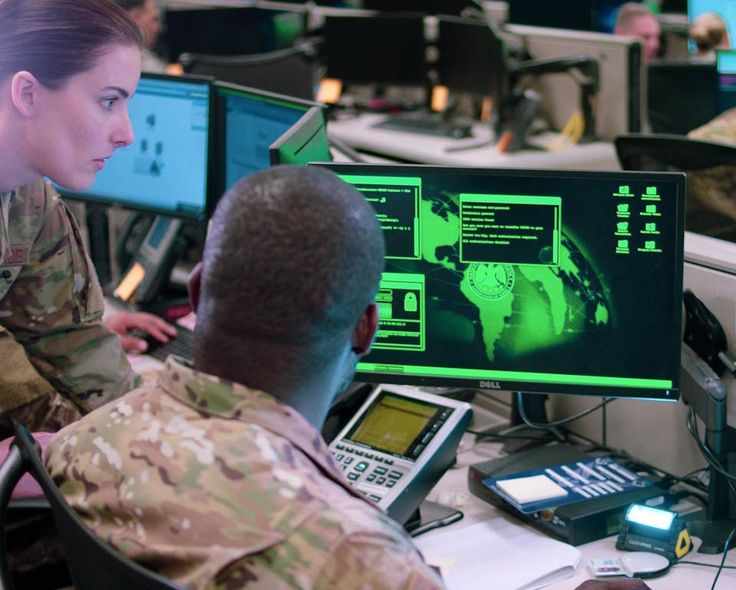
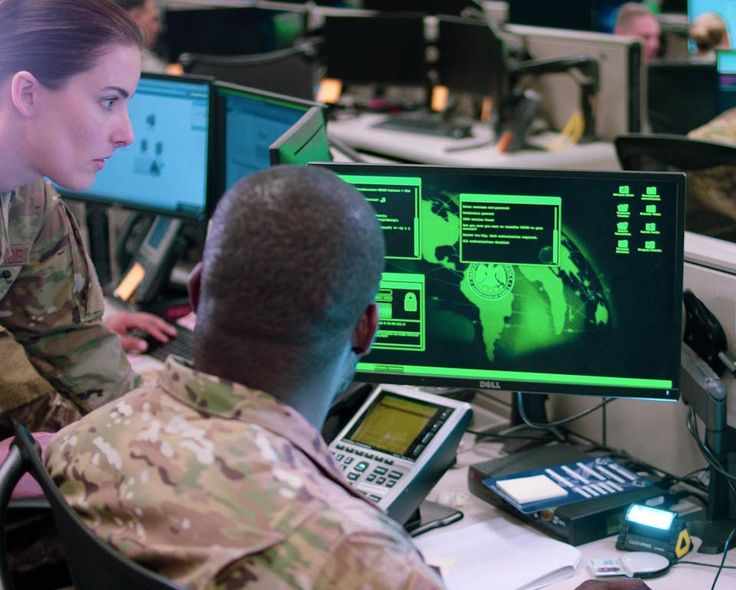
Cybercrime Battles: In today’s digital battlefield, NCIS investigates hacking attempts and cyber intrusions targeting Navy networks, protecting sensitive military data from being compromised.
Each case not only showcases the agency’s expertise but also demonstrates its global reach. Unlike the TV show, these investigations are not solved in 45 minutes—they often take years of undercover work, surveillance, and collaboration with international partners.
Life Inside NCIS
While Hollywood portrays NCIS agents as rugged investigators with witty banter, the reality is more diverse and technical. The agency employs experts in digital forensics, linguistics, psychology, and counterintelligence, alongside field agents who conduct traditional law enforcement duties.
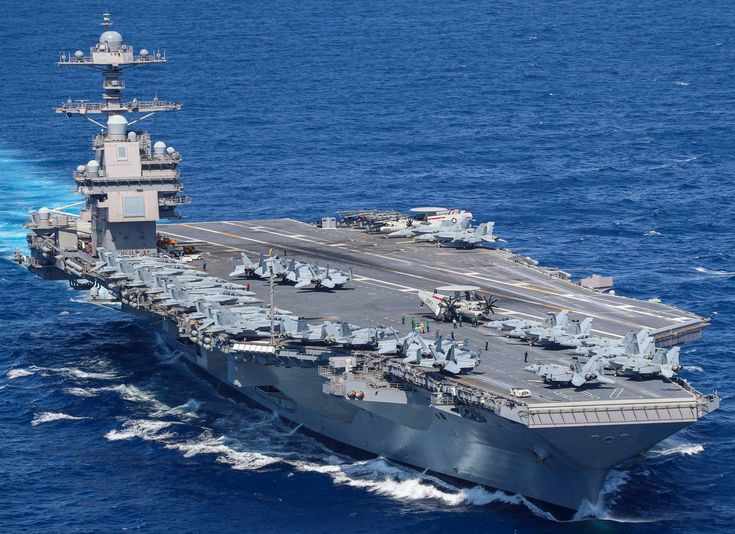
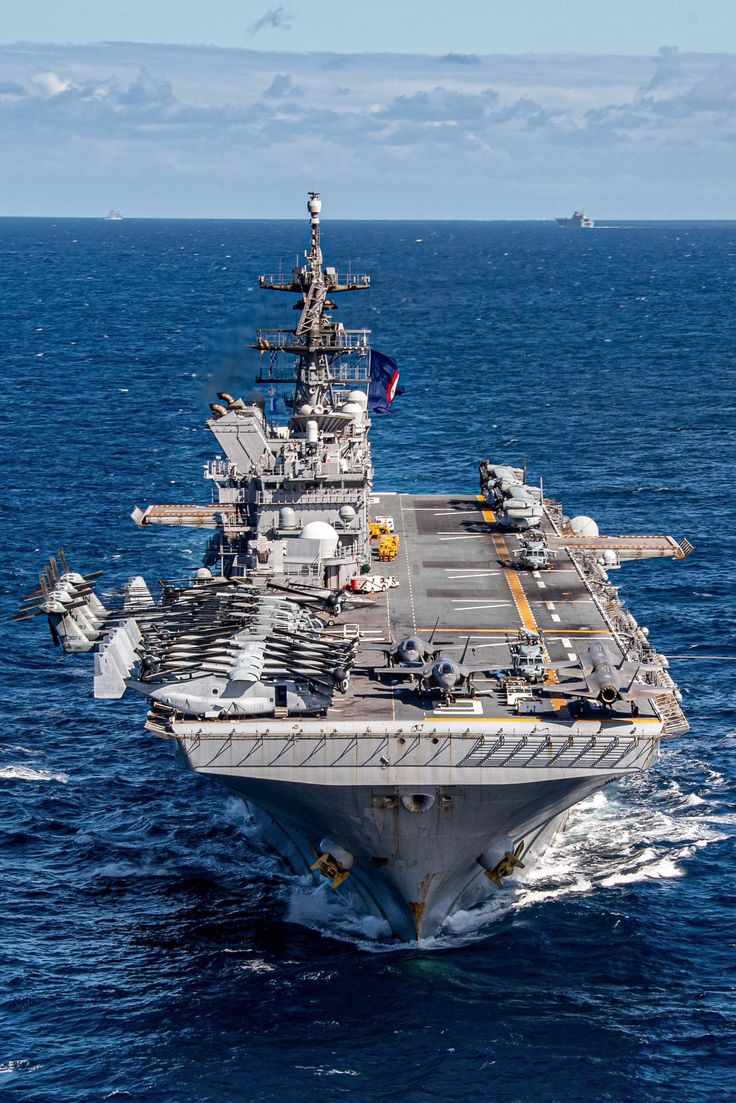
What makes NCIS unique is its blend of law enforcement and intelligence operations. Agents are not just solving crimes; they are also preventing future attacks, gathering intel, and ensuring naval operations remain secure. It is an ever-evolving role where one day might involve interviewing witnesses aboard a carrier, and the next could mean tracking a cyberthreat from across the globe.
Global Presence, Local Impact
One of the lesser-known facts about NCIS is its global footprint. With sailors and Marines stationed worldwide, NCIS must be wherever the Navy and Marine Corps go. From the Middle East to Europe to the Pacific, NCIS agents investigate crimes, partner with local law enforcement, and coordinate with allied intelligence services.
At the same time, their work directly impacts service members and their families at home. Whether it’s ensuring safety on naval bases, cracking down on drug smuggling, or investigating financial fraud targeting military personnel, NCIS plays a vital role in protecting the integrity of naval life.
How Real NCIS Differs From TV
While the show NCIS popularized the agency, it often glamorizes or condenses the realities of investigations. Here are a few key differences:
Timeframe: Real investigations can take months or years, unlike the tidy TV timelines.
Technology: While Hollywood invents flashy gadgets, NCIS relies on advanced but practical forensic and cyber tools.
Teamwork: Cases are rarely solved by a small group; instead, large teams and multiple agencies often work together.
Focus: The TV show emphasizes murders, but real NCIS handles a broad spectrum of crimes, including financial fraud, narcotics, and counterintelligence.
Despite these differences, the show has undeniably increased public awareness and even inspired many recruits to join the agency.
Why NCIS Matters Today
In an age of increasing cyber threats, international espionage, and global terrorism, the role of NCIS has never been more crucial. The agency ensures that America’s naval forces can operate safely across the world. They serve quietly, often behind the scenes, yet their work directly protects sailors, Marines, and the nation as a whole.
Inside NCIS Real Naval Investigations reveals that truth is often more compelling than fiction. These are not just stories of crime and punishment—they are stories of vigilance, sacrifice, and dedication to national security.
Final Thoughts
While television may have turned NCIS into a cultural phenomenon, the real NCIS agents remain unsung heroes of naval defense. Their work is complex, dangerous, and far-reaching, yet it is essential to maintaining the strength and safety of U.S. forces worldwide.
Next time you watch the TV drama, remember that somewhere across the globe, real NCIS agents are on the job—protecting sailors, cracking cases, and defending national security in ways that even Hollywood couldn’t script.






Write a comment ...