
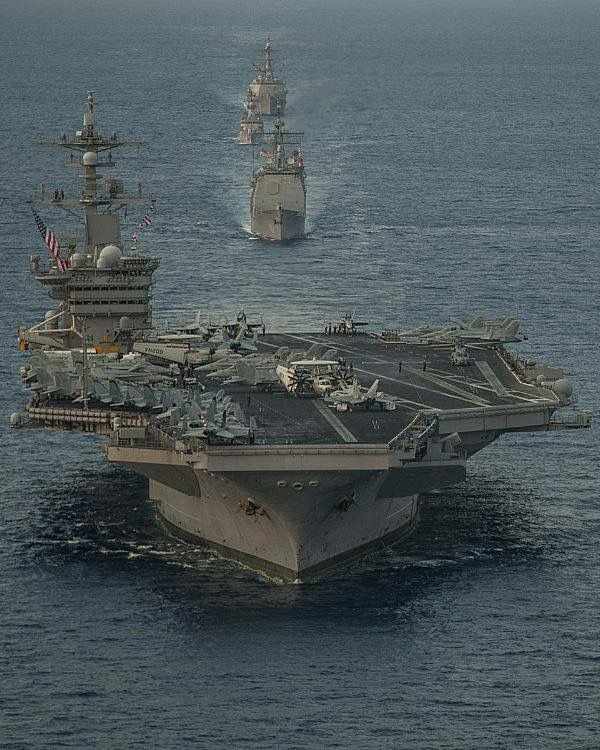
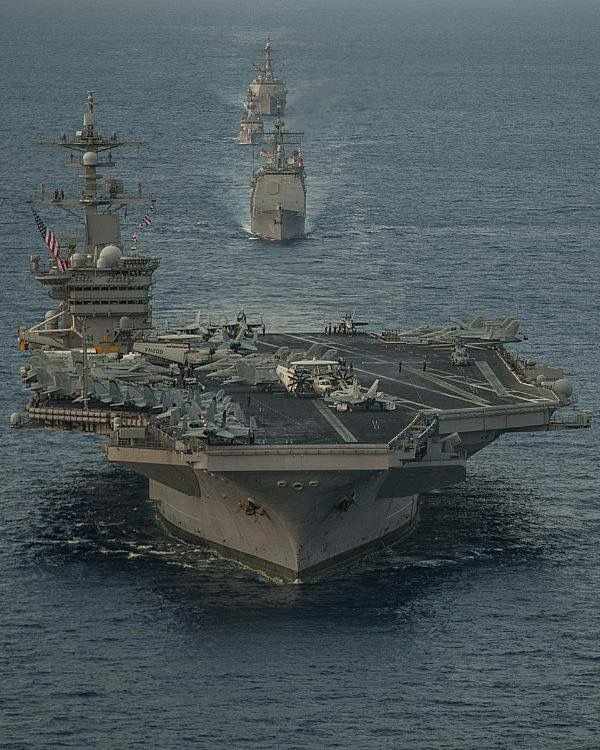
As August 2025 unfolds, the US Navy continues to demonstrate its role as a critical force in ensuring maritime security, technological innovation, and strategic readiness. From advanced fleet modernization to expanded global alliances, the Navy’s recent developments signal a transformative chapter in U.S. defense policy. The US Navy News August 2025 highlights key operational updates, groundbreaking technology deployments, and international collaborations that are shaping the future of naval power projection.
1. Fleet Modernization and New Vessel Launches
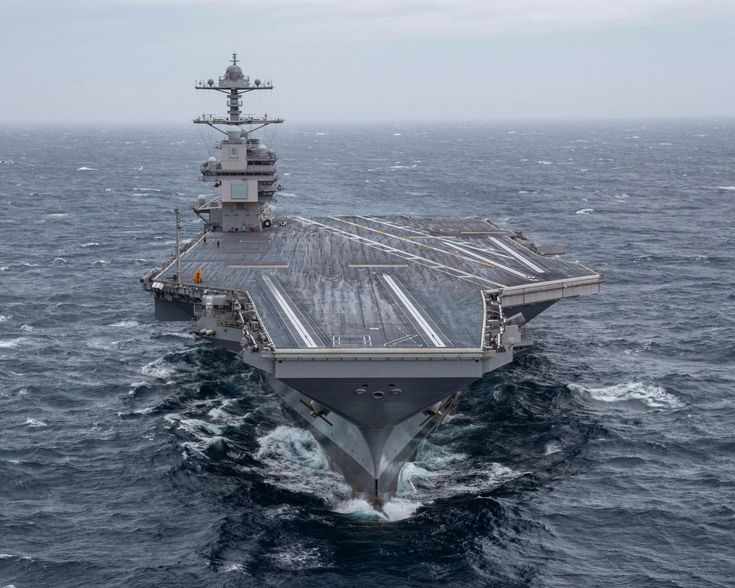
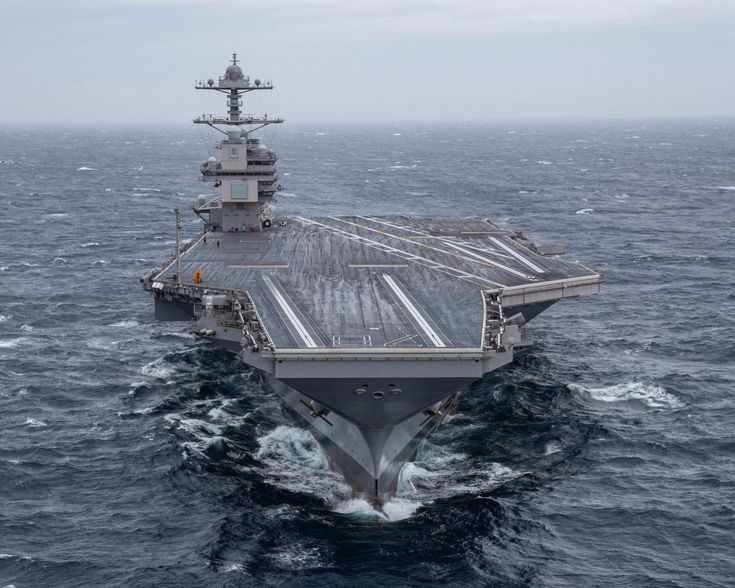
One of the most notable updates this month is the official commissioning of the USS Liberty (DDG-138), an advanced Arleigh Burke-class destroyer equipped with cutting-edge Aegis radar upgrades and enhanced missile defense capabilities. This vessel represents the Navy’s ongoing commitment to integrating advanced combat systems that improve detection, targeting, and interception in evolving threat environments.
The Navy also announced progress on its next-generation frigate program, with construction milestones reached ahead of schedule for the Constellation-class ships. These vessels will provide versatile operational capabilities, blending high-end warfare systems with improved fuel efficiency and reduced maintenance requirements.
2. Strategic Indo-Pacific Operations
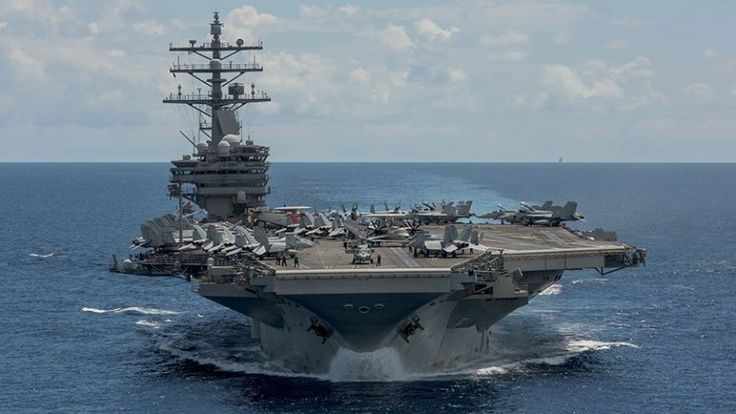
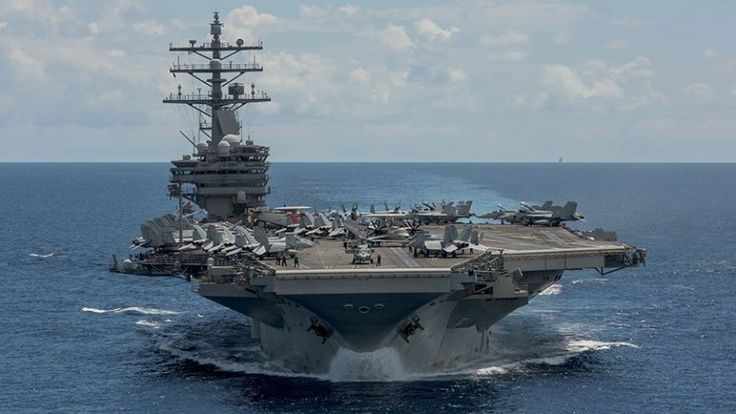
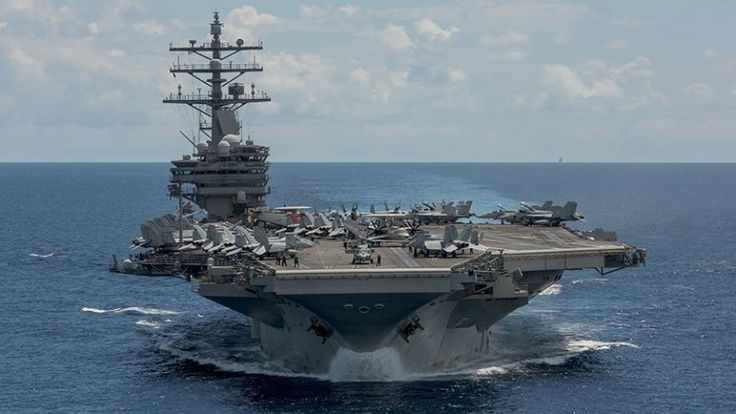
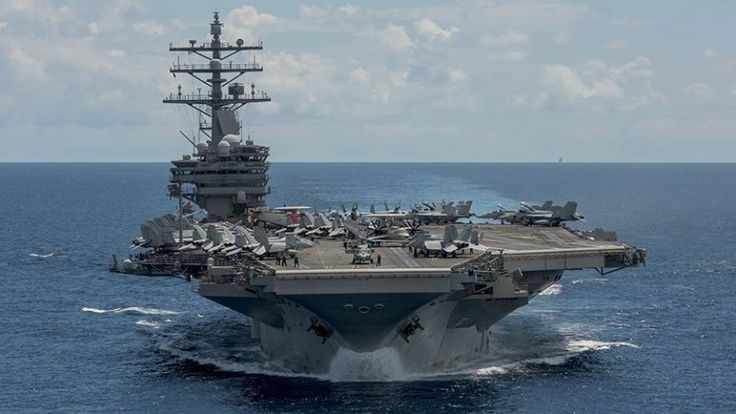
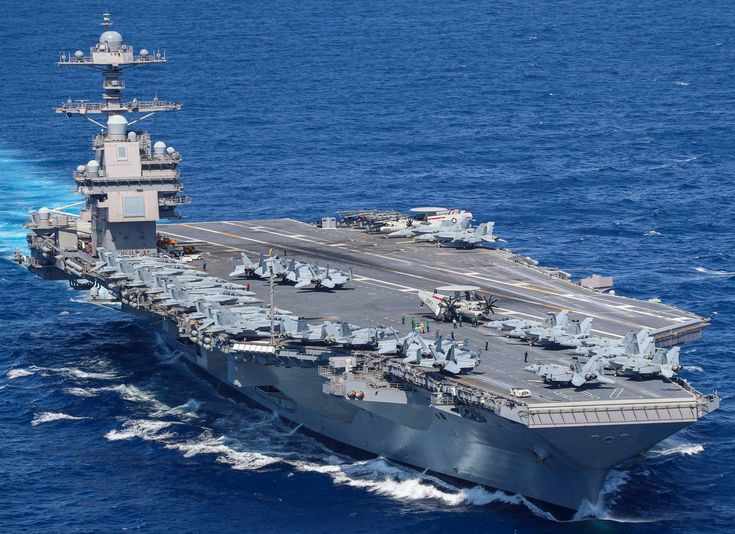
In August 2025, the Navy intensified its operational presence in the Indo-Pacific region, responding to increased geopolitical tensions and maritime security challenges. The USS Ronald Reagan carrier strike group conducted joint exercises with Japanese and Australian naval forces, enhancing interoperability and signaling a united front for free navigation in international waters.
Additionally, the Navy’s Seventh Fleet carried out humanitarian relief operations in the aftermath of severe typhoons in the Philippines. These missions reaffirm the Navy’s role not only as a defense force but also as a rapid-response humanitarian actor.
3. Technological Breakthroughs in Naval Warfare
The month brought remarkable strides in naval technology. The Navy successfully tested its Directed Energy Weapon System (DEWS) aboard a Littoral Combat Ship in the Persian Gulf. This high-energy laser system demonstrated precision targeting against unmanned aerial threats, offering a cost-effective and scalable defensive option against emerging threats.
Another breakthrough was the integration of AI-driven predictive maintenance tools across several surface ships, enabling real-time monitoring of critical systems and reducing unscheduled downtime. These innovations are part of the Navy’s Digital Transformation Roadmap, aimed at making vessels smarter, faster, and more resilient.
4. Cybersecurity and Information Warfare Initiatives
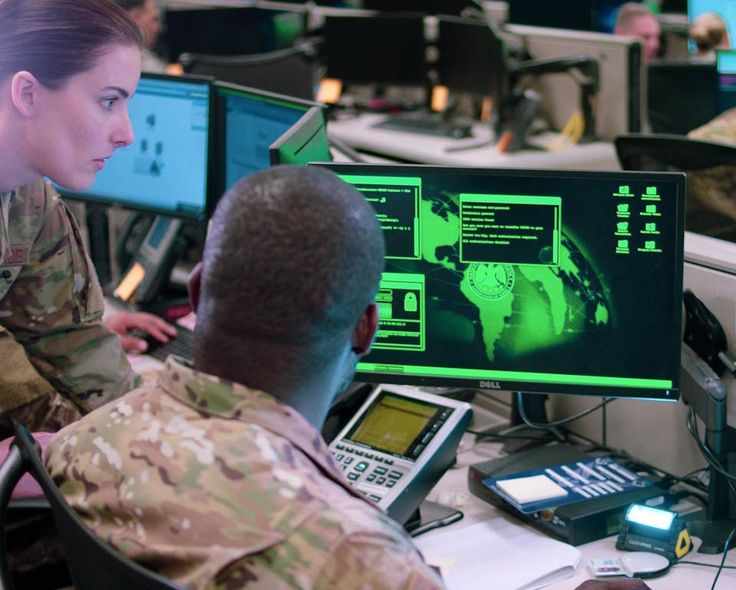
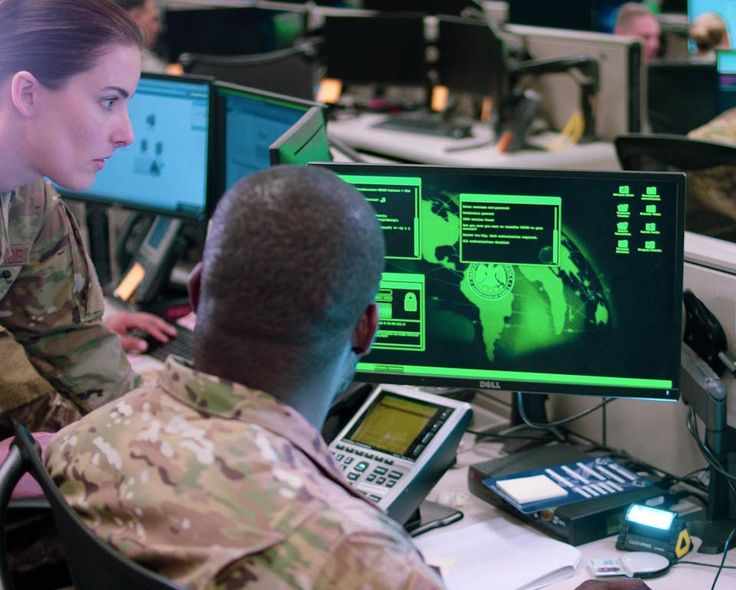
In response to the growing threat of cyberattacks on naval assets, the Navy announced the expansion of its Fleet Cyber Command initiatives. A new cybersecurity training hub opened in Norfolk, Virginia, where sailors are trained in advanced cyber defense, electronic warfare tactics, and secure communications.
Rear Admiral Samuel Hayes emphasized that “future conflicts will be won not only on the seas but also in the information domain,” underlining the Navy’s commitment to protecting its digital infrastructure.
5. Enhancing Sailor Well-being and Training
The US Navy News August 2025 also highlights internal improvements aimed at supporting sailors’ mental health, career development, and work-life balance. The Navy has rolled out a Sailor Resilience Program featuring confidential counseling, skill-building workshops, and expanded family support services.
Training reforms are also underway, with the adoption of immersive virtual reality simulations for navigation, engineering, and combat drills. This advanced training environment allows sailors to gain experience in high-stress scenarios without the risks of real-world exercises.
6. Strengthening Global Partnerships
Diplomacy at sea continues to be a cornerstone of US Navy operations. August 2025 saw the successful completion of Exercise Sea Shield, a multinational maritime security drill involving NATO allies in the Mediterranean. These exercises included coordinated anti-submarine warfare maneuvers, live-fire exercises, and intelligence-sharing simulations.
The Navy also deepened cooperation with the Indian Navy through Malabar 2025, a trilateral exercise involving Japan, focusing on maritime domain awareness, anti-piracy patrols, and advanced communications interoperability.
7. Sustainability and Green Fleet Initiatives
In a notable environmental milestone, the Navy’s Green Fleet Program reported that several vessels have begun operating with hybrid propulsion systems powered by biofuels and advanced battery storage. This transition aims to reduce emissions, improve fuel efficiency, and align with the Department of Defense’s broader climate security goals.
The Navy is also testing autonomous underwater drones to conduct environmental monitoring, aiding in the preservation of critical marine ecosystems while gathering strategic oceanographic data.
Conclusion
The US Navy News August 2025 reflects a force in transformation—balancing the demands of global readiness with technological innovation, environmental responsibility, and sailor well-being. As the Navy navigates a rapidly evolving security landscape, its strategic direction is clear: maintain superiority on the seas while adapting to the multifaceted challenges of the 21st century.
With modernized fleets, expanded alliances, cutting-edge technology, and renewed focus on both cyber and environmental domains, the US Navy is setting the course for a more secure and sustainable maritime future.




Write a comment ...