
In an era where global security is increasingly tied to the control of sea routes and maritime dominance, naval forces across the world are undergoing rapid transformation. The seas have always been a stage for power projection, trade security, and technological competition, and today’s navies are embracing modernization with renewed urgency. The Latest Navy News Today sheds light not only on the operational activities of leading maritime powers but also on the broader implications for global security. From the U.S. Navy’s modernization programs to Asia’s fast-growing fleets and Europe’s collaborative naval strategies, the world’s oceans are busier—and more contested—than ever before.
Strategic Importance of Naval Power
Navies are no longer just about patrolling coastlines; they are central to global diplomacy, defense readiness, and economic security. Sea lanes carry over 80% of world trade, and naval forces act as guardians of this lifeline. Whether it’s anti-piracy missions in the Gulf of Aden, freedom-of-navigation operations in the South China Sea, or humanitarian assistance in disaster-prone regions, the role of navies has expanded far beyond traditional warfare.
The Global Naval Operations Updates reveal a trend toward multipurpose naval forces capable of addressing both military and humanitarian challenges. Fleets today are expected to counter cyber threats, deploy drones for surveillance, and ensure maritime peace while maintaining combat readiness.
U.S. Navy: Modernization and Presence
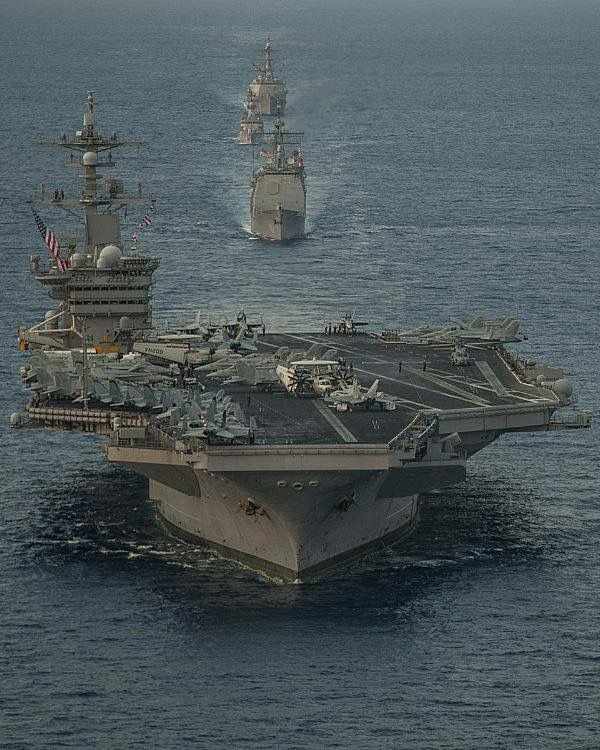
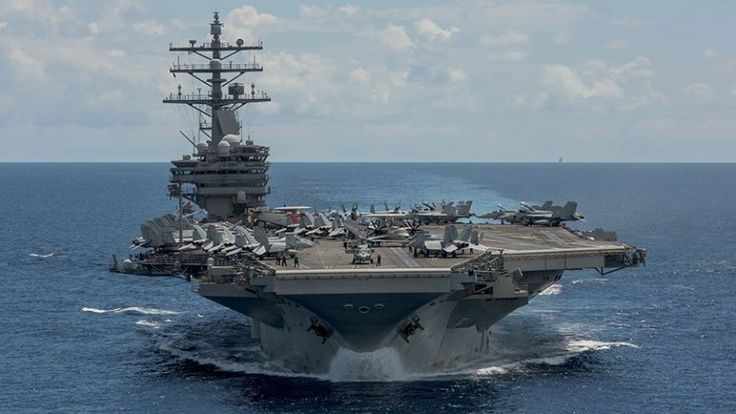
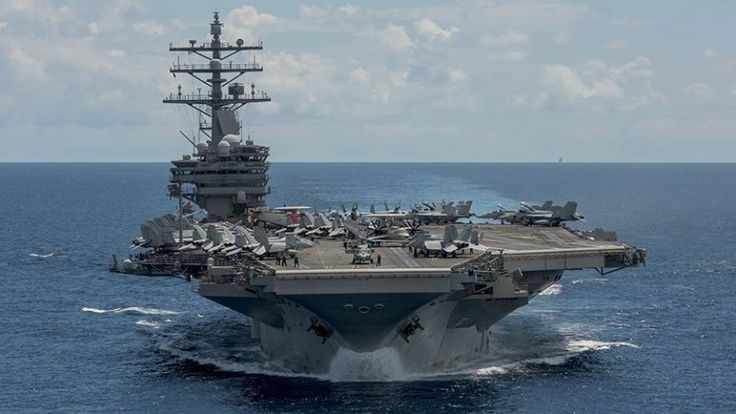
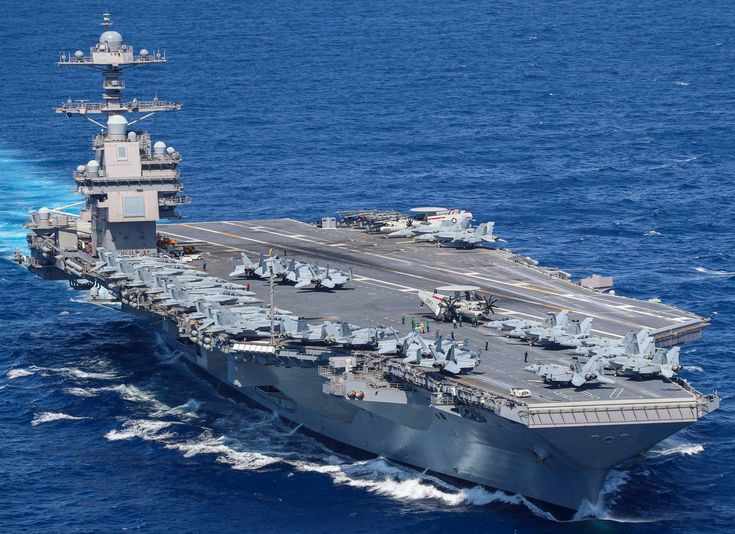
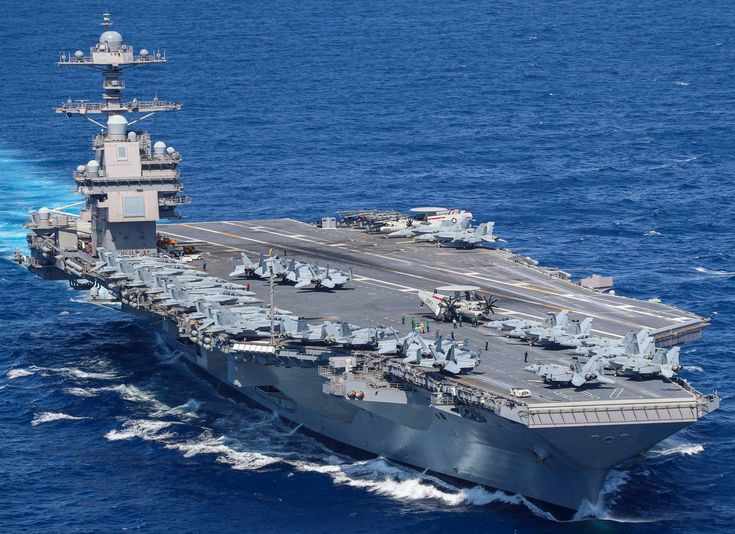
The U.S. Navy continues to dominate the headlines in the Latest Navy News Today. With over 290 deployable battle force ships, it remains the world’s largest and most technologically advanced fleet. Current modernization efforts are focused on:
Next-Generation Destroyers (DDG(X)): Designed to counter evolving missile threats.
Unmanned Surface and Underwater Vehicles: Increasing autonomy in surveillance and mine countermeasures.
Global Presence: Ongoing deployments in the Pacific, Mediterranean, and Middle East to ensure deterrence and regional stability.
These developments reflect a broader push by Washington to maintain maritime superiority against near-peer competitors, particularly in the Indo-Pacific theater.
Asia-Pacific Naval Growth
The Asia-Pacific remains a hotbed of naval activity, with China, India, Japan, and South Korea all expanding their capabilities.
China: The People’s Liberation Army Navy (PLAN) has rapidly grown into the world’s largest navy by ship count. Its aircraft carriers and advanced destroyers are reshaping regional balance.
India: The Indian Navy is enhancing its blue-water capabilities, focusing on carrier groups and nuclear submarines to secure the Indian Ocean Region.
Japan & South Korea: Both countries are investing in missile defense-capable destroyers and amphibious assault ships, underscoring concerns about regional threats.
The Global Naval Operations Updates highlight that these developments are not just about defense—they are also about influence. Naval diplomacy, joint exercises, and humanitarian missions allow these nations to project soft power as well.
Europe & NATO Naval Cooperation
European navies are taking collective action under NATO frameworks, especially given heightened tensions following geopolitical conflicts. The Latest Navy News Today notes a surge in multinational maritime exercises across the Mediterranean, Baltic, and Arctic regions.
Key priorities include:
Safeguarding supply chains.
Deterring potential aggressors near NATO’s eastern flank.
Enhancing submarine warfare capabilities in contested waters.
The United Kingdom’s Royal Navy, France’s Marine Nationale, and Germany’s Deutsche Marine remain pivotal players in strengthening Europe’s maritime posture.
Emerging Technologies in Naval Warfare
Technology is reshaping naval operations in profound ways. Some of the most important Global Naval Operations Updates involve:
Artificial Intelligence (AI): Used in predictive maintenance, threat detection, and unmanned systems.
Directed Energy Weapons: Navies are experimenting with laser and electromagnetic railgun technologies.
Green Naval Initiatives: Eco-friendly propulsion systems to reduce fuel dependency and carbon footprints.
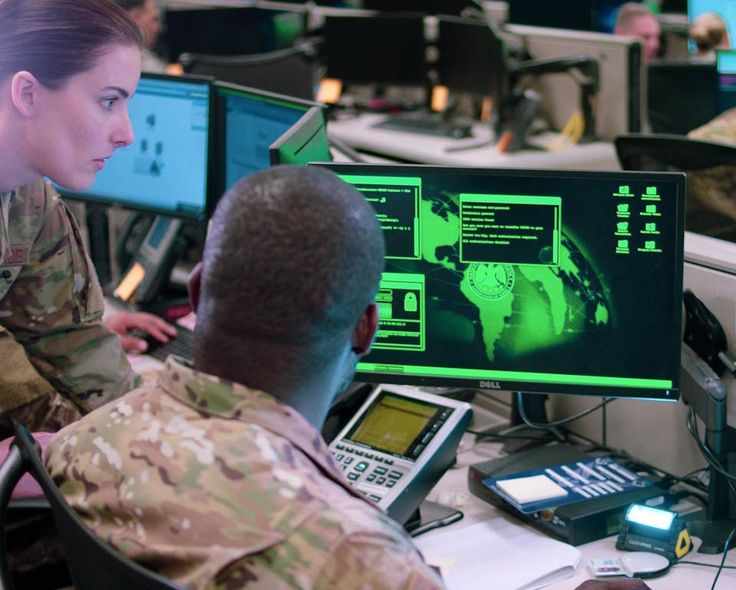
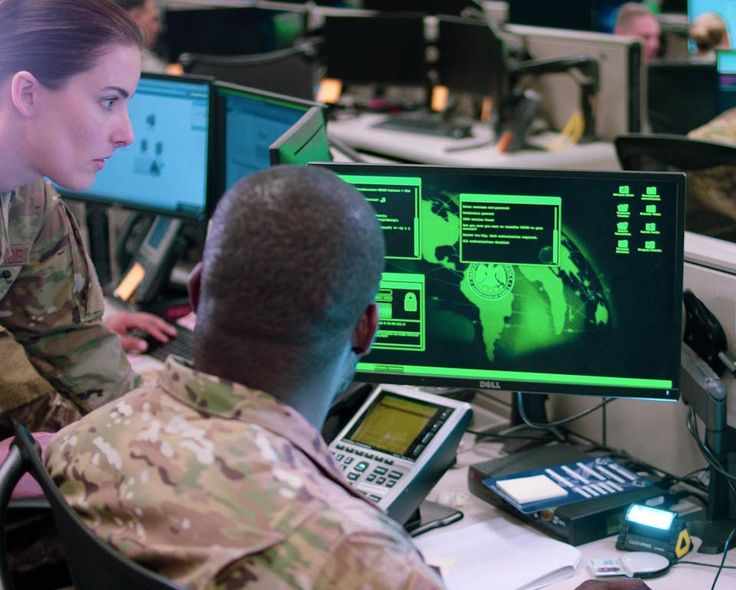
Cyber Warfare Capabilities: Protecting ships from digital sabotage is now as important as traditional defense.
These advancements are not only increasing combat effectiveness but also ensuring long-term sustainability.
Humanitarian and Peacekeeping Roles
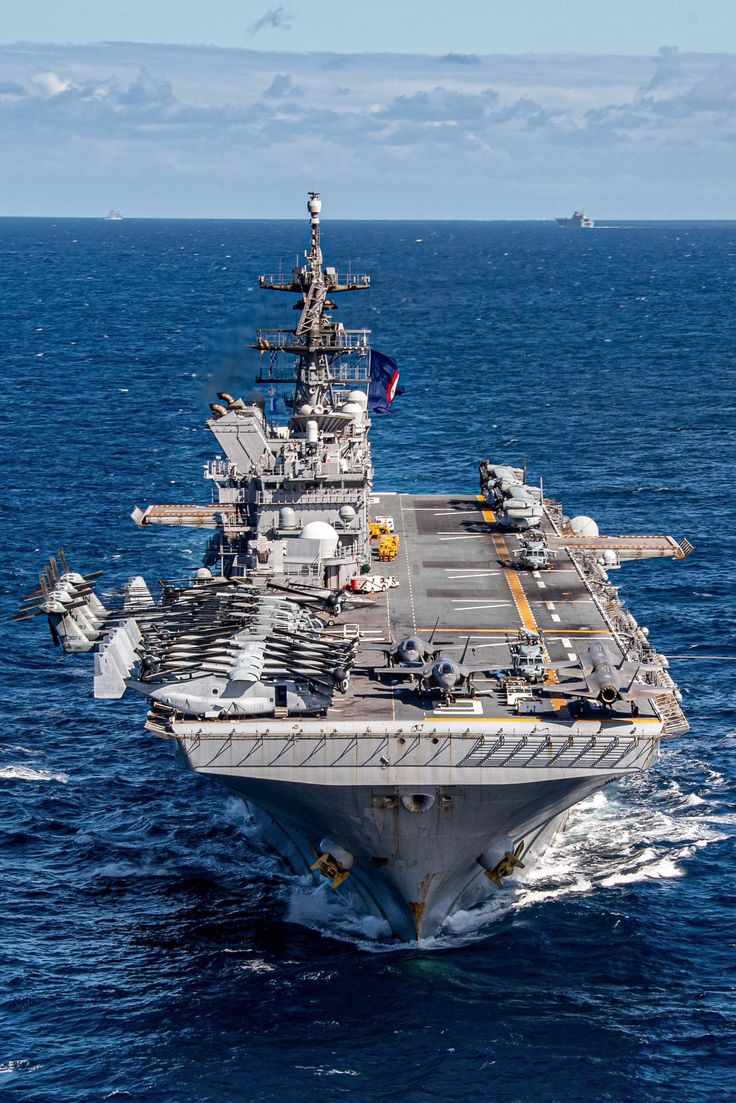
Another critical element in the Latest Navy News Today is the focus on humanitarian assistance. From disaster relief operations following hurricanes and tsunamis to medical aid delivery, navies have become first responders in global crises. Amphibious ships, equipped with hospitals and helicopters, provide rapid deployment of aid, strengthening the humanitarian image of naval forces.
The Future Outlook
Looking ahead, the future of naval power lies in integration and adaptability. Nations are forming strategic partnerships, conducting joint exercises, and sharing intelligence to counter shared threats. The world’s oceans are no longer divided into regional spheres of influence—they represent a global commons requiring collective stewardship.
As the Global Naval Operations Updates show, the ability of a navy to safeguard trade, protect national sovereignty, and extend humanitarian aid will continue to define its relevance. Whether through the deployment of advanced ships, cutting-edge technology, or multinational cooperation, navies will remain at the heart of global security in the decades to come.
Conclusion
The seas are dynamic, and so are the navies that rule them. The Latest Navy News Today emphasizes modernization, resilience, and adaptability in a world where maritime security is directly tied to global stability. As the oceans grow more contested, naval forces worldwide are evolving to meet the challenges of the 21st century.




Write a comment ...