
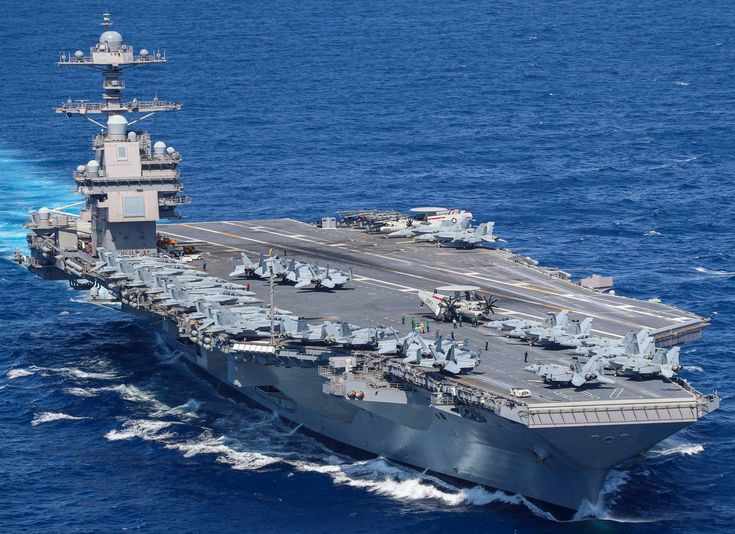
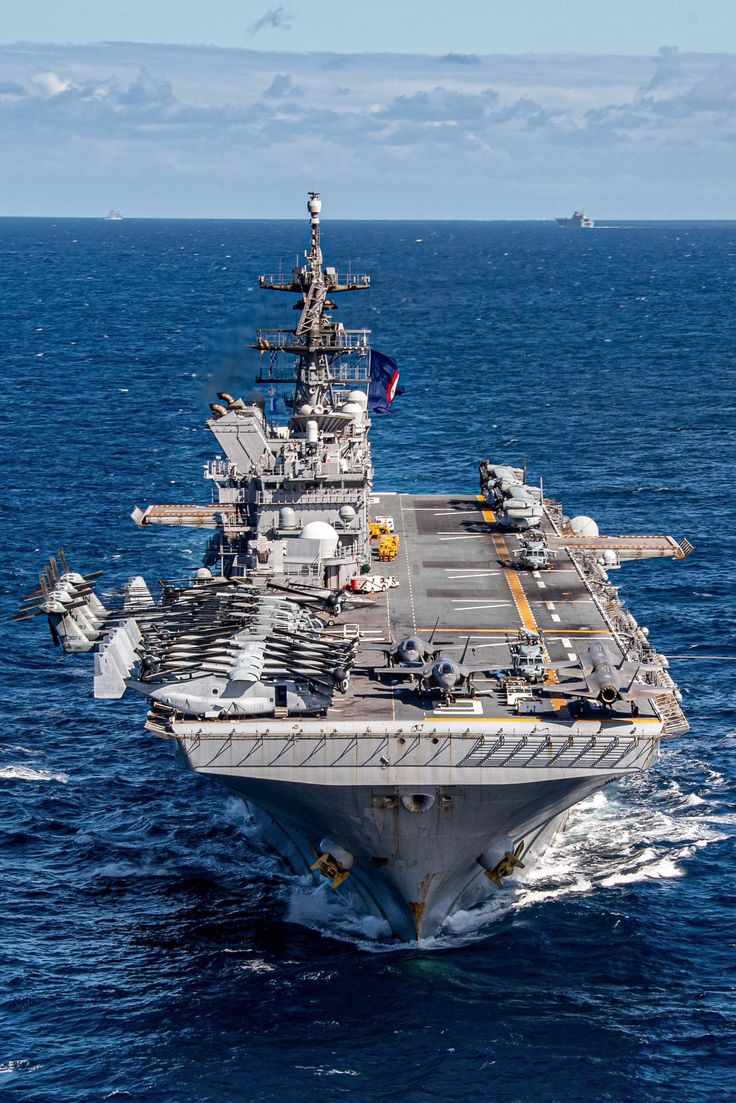
For centuries, the world’s oceans have been the stage where power, trade, and defense intersect. In today’s interconnected world, navies play an even more vital role—safeguarding territorial waters, maintaining global trade routes, and responding to humanitarian crises. As nations adapt to technological advancements and geopolitical shifts, the Latest Navy News Today reveals not just developments in warships and submarines, but also how Global Naval Operations Updates are reshaping maritime security on a global scale.
Technological Innovations Steering the Future
One of the most striking trends in today’s naval updates is the rapid adoption of cutting-edge technologies. Navies are no longer solely defined by the size of their fleets but by the intelligence embedded in their vessels and systems.
Autonomous Naval Vessels: Many navies are investing heavily in unmanned surface and underwater vehicles, enhancing surveillance, reconnaissance, and even combat capabilities without risking human lives.
Artificial Intelligence (AI): AI-driven systems are revolutionizing decision-making, allowing faster threat detection, predictive maintenance of ships, and strategic planning.
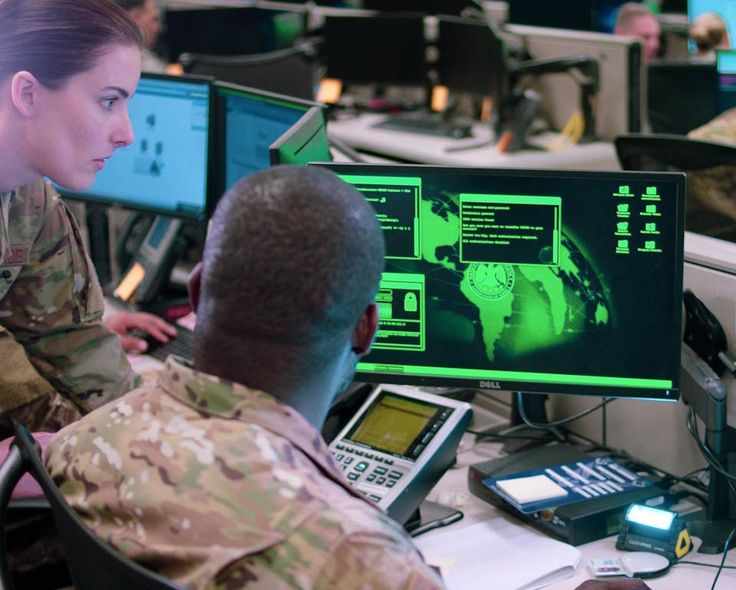
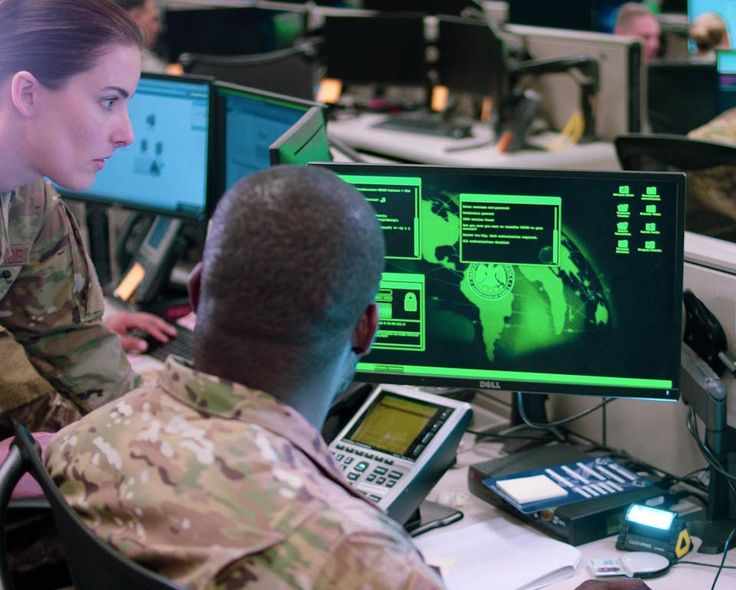
Cybersecurity at Sea: With increased reliance on digital systems, navies worldwide are prioritizing cybersecurity to protect critical naval operations from cyber-attacks.
The Latest Navy News Today consistently points toward the fusion of advanced technology with traditional maritime power, creating a hybrid future of human-machine cooperation at sea.
Global Naval Operations Updates: Cooperation and Competition
While some naval missions emphasize peacekeeping and cooperation, others highlight the intensifying competition for maritime dominance. Recent Global Naval Operations Updates show how different regions are responding to new challenges:
Indo-Pacific Region:
The Indo-Pacific remains a focal point of naval strategy. With major powers like the United States, India, Japan, and Australia conducting joint exercises, the emphasis is on ensuring a free and open sea for trade and security. At the same time, territorial disputes in the South China Sea have fueled naval build-ups, creating a delicate balance between cooperation and confrontation.European Waters:
NATO navies continue to strengthen their presence in the Baltic and Mediterranean, responding to shifting security concerns. Humanitarian missions, anti-piracy patrols, and exercises aimed at strengthening interoperability among allied forces remain high on the agenda.Middle East and Africa:
Naval forces in these regions are focusing on combating piracy, smuggling, and terrorism at sea. International coalitions often lead joint operations to secure vital shipping lanes such as the Gulf of Aden and the Strait of Hormuz.The Arctic Frontier:
Melting ice is opening new maritime routes, drawing global interest in the Arctic. Countries like Russia, the U.S., and Canada are expanding their naval presence to secure resources and new sea lanes.
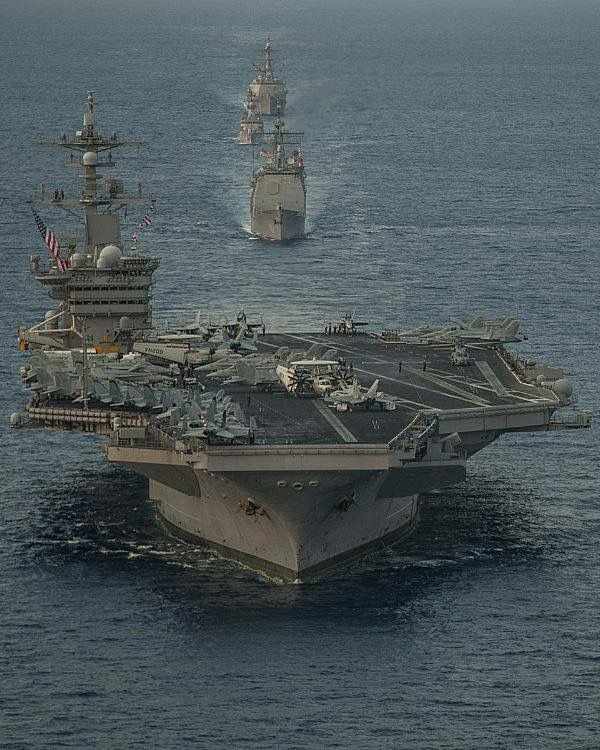
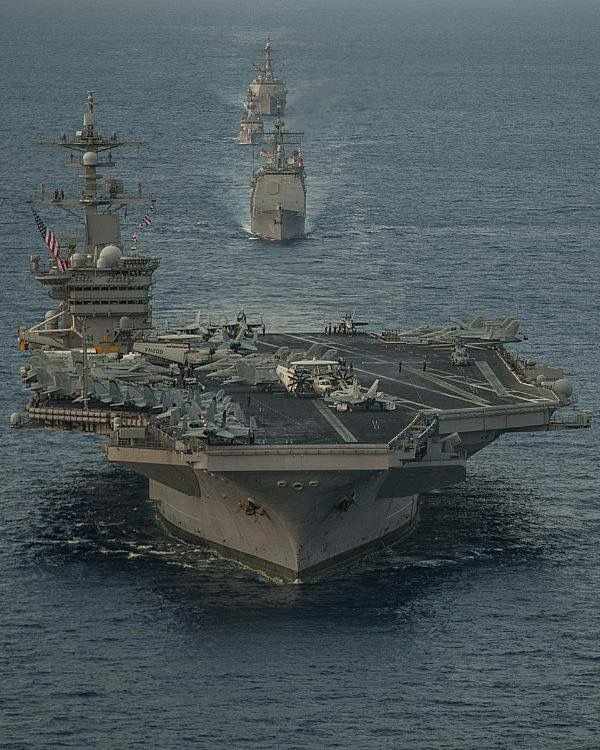
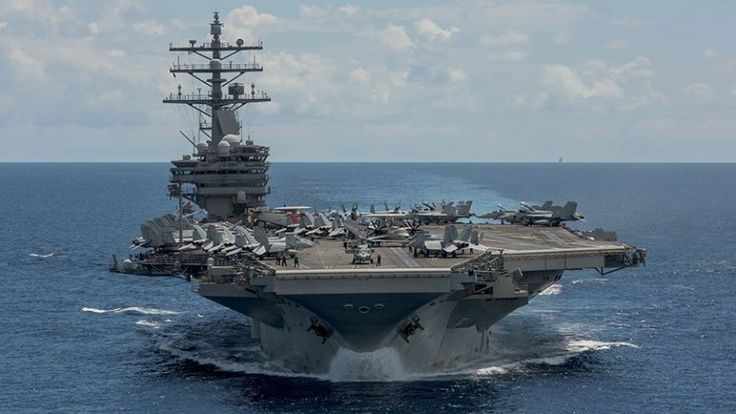
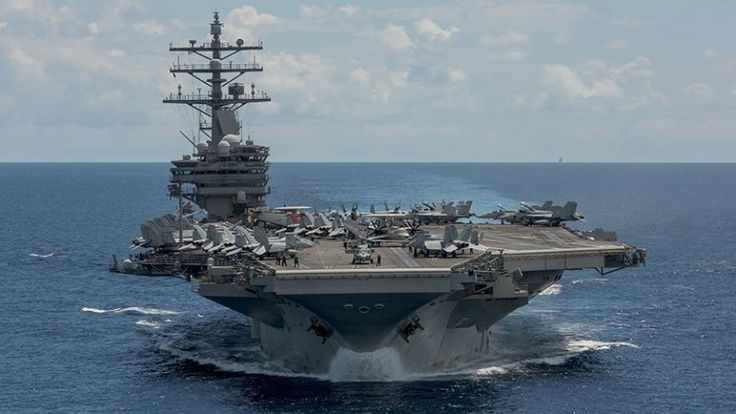
These Global Naval Operations Updates demonstrate how navies serve as both protectors of peace and symbols of power projection in contested waters.
Humanitarian and Environmental Missions at Sea
Navies are not solely focused on defense and deterrence; they play a critical role in humanitarian assistance and disaster relief. From providing aid after natural disasters to conducting rescue missions for stranded vessels, naval forces frequently serve as first responders.
Additionally, with growing environmental concerns, navies are incorporating eco-friendly technologies, such as hybrid-powered vessels and pollution control systems. These initiatives represent the evolving face of naval operations, where sustainability and humanitarian values go hand-in-hand with defense.
The Human Element: Training and Leadership
Behind every warship and submarine are the sailors and officers who form the backbone of naval strength. The Latest Navy News Today emphasizes how training programs are evolving to prepare personnel for the demands of modern warfare and peacekeeping. Leadership development, cross-national exchange programs, and multinational exercises ensure that sailors are equipped not just with technical expertise, but also with cultural and diplomatic skills essential in international waters.
Future Outlook: Charting the Course Ahead
Looking forward, the Global Naval Operations Updates suggest a future where collaboration and competition will continue to define maritime strategy. Emerging powers will seek to expand their influence at sea, while established naval giants will maintain their stronghold through innovation and alliances.
Key trends likely to dominate the future include:
Increased use of green naval technologies.
Expansion of naval cyber defense divisions.
More multinational exercises to strengthen global maritime security.
A growing focus on space-sea integration, with satellites playing a critical role in naval intelligence.
Conclusion: A Dynamic Maritime Era
The seas have always been central to human progress, and today, they are more crucial than ever. With the Latest Navy News Today highlighting technological breakthroughs, strategic maneuvers, and humanitarian missions, and the Global Naval Operations Updates underscoring cooperation and rivalry, it is clear that navies will remain pivotal in shaping the future world order.
As we move forward into this dynamic maritime era, one truth remains constant: control of the seas equates to influence, security, and opportunity on a global scale.




Write a comment ...